
Genre: nasheed, qasida, madih, munshidType: nasheed
Story & Cultural Context
This track presents the well-known Arabic devotional poem beginning “An-nafsu tabki,” commonly attributed to Imam al-Shafi'i, in an Al Banjari ensemble arrangement. Its text reflects on worldly attachment and the pursuit of spiritual contentment.
← Browse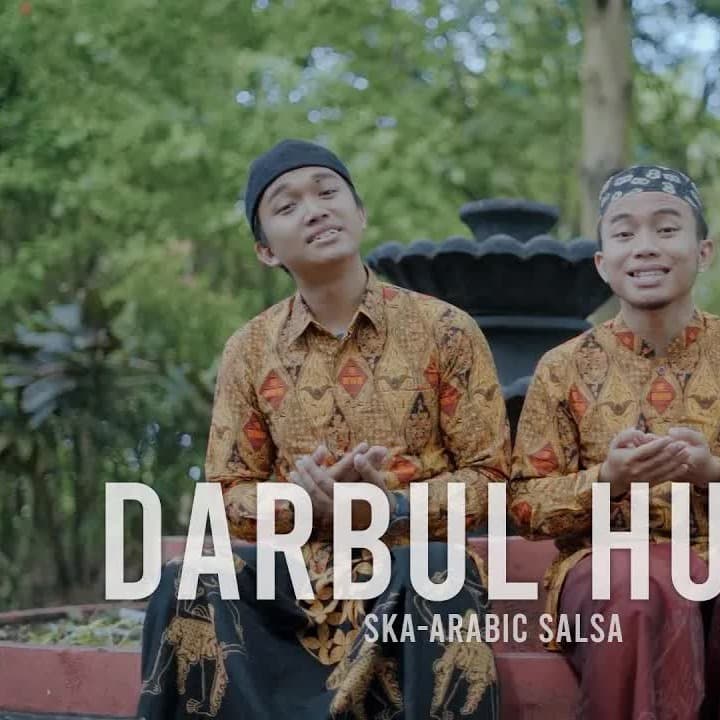
About this recordingAuto-generated
Genre
nasheedNasheed · Arabic نشيدA devotional Islamic song. Traditionally sung by voice or with a frame drum; many modern ones add instruments.Browse →Glossary →qasidaQasida · Arabic قصيدةA long classical Arabic poem; in devotional music, one sung in praise or supplication (e.g. the Burdah).Browse →Glossary →madihMadih · Arabic مديحPraise poetry sung for the Prophet Muhammad ﷺ.Browse →Glossary →munshidMunshid · Arabic منشدThe singer of nasheeds. "Inshad" is the act of performing them.Browse →Glossary →
Instruments
duffpercussion
Credits
LyricistImam al-Shafi'i (attributed)
ArrangementSantri Njoso
Story & Cultural Context
This track presents the well-known Arabic devotional poem beginning “An-nafsu tabki,” commonly attributed to Imam al-Shafi'i, in an Al Banjari ensemble arrangement. Its text reflects on worldly…
Titles in Other Languages
العربيةالنفس تبكي
EnglishThe Soul Weeps
Lyrics
لا دار للمرء بعد الموت يسكنها إلا التي كان قبل الموت بانيها

فإن بناها بخير طاب مسكنها
وإن بناها بشر خاب بانيها

النفس تبكي على الدنيا وقد علمت أن السلامة فيها ترك ما فيها

النفس تبكي على الدنيا وقد علمت أن السلامة فيها ترك ما فيها

لا دار للمرء بعد الموت يسكنها إلا التي كان قبل الموت بانيها

وإن بناها بخير طاب مسكنها
وإن بناها بشر خاب بانيها

النفس تبكي على الدنيا وقد علمت أن السلامة فيها ترك ما فيها

النفس تبكي على الدنيا وقد علمت أن السلامة فيها ترك ما فيها

أين الملوك التي كانت مسلطنة حتى سقاها بكأس الموت ساقيها

أموالنا لذوي الميراث نجمعها
ودورنا لخراب الدهر نبنيها

النفس تبكي على الدنيا وقد علمت أن السلامة فيها ترك ما فيها

النفس تبكي على الدنيا وقد علمت أن السلامة فيها ترك ما فيها